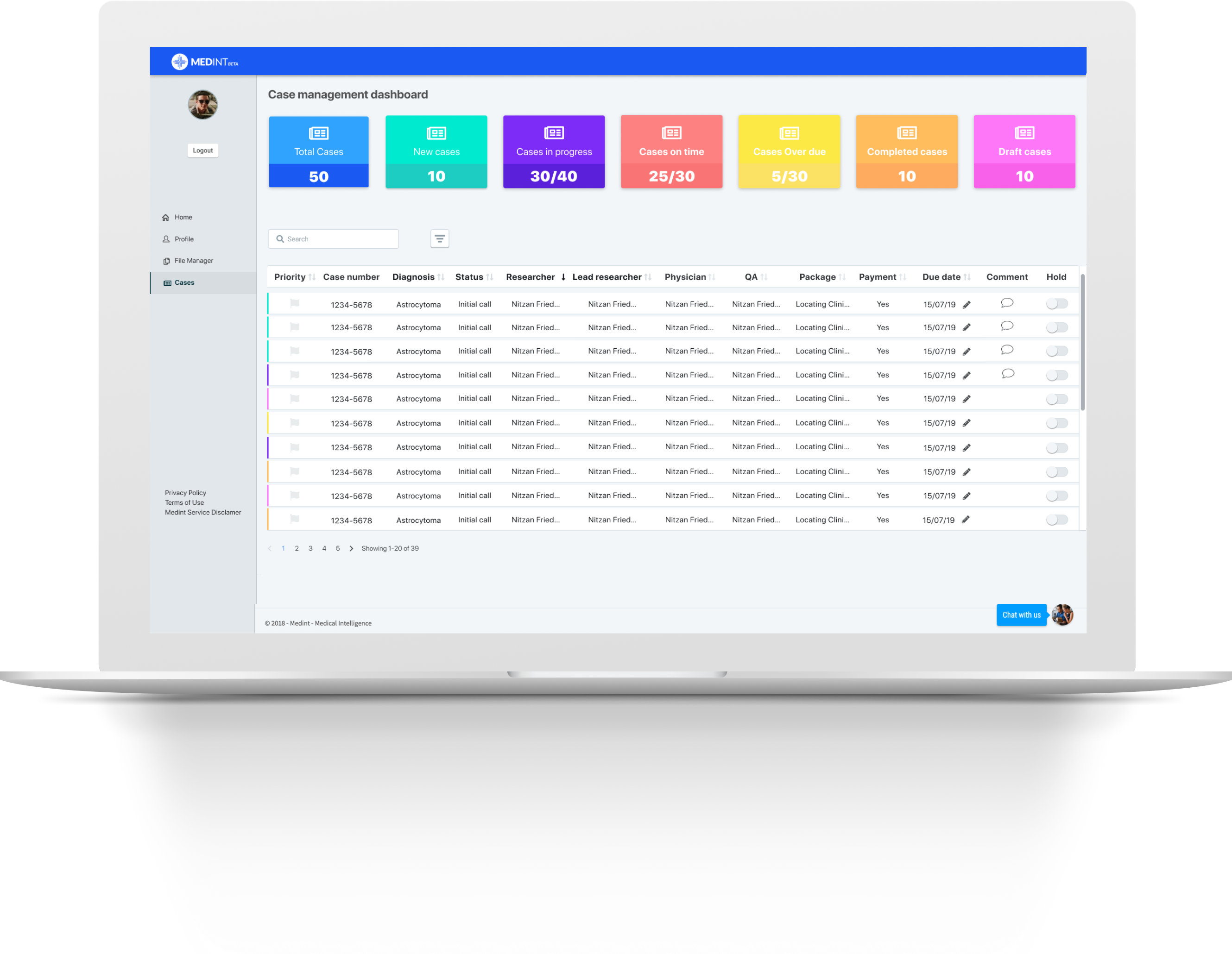
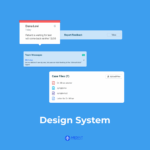
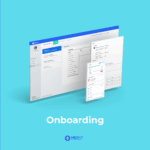
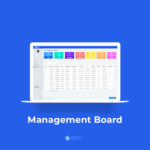
As Medint’s platform became more diverse with more tools and features, it became clear to me that we need to maintain a consistent style and visual language across all areas of the product. We also needed a more systematic way to develop in order to keep up with tight schedules and avoid ‘one-of-a-kind’ solutions.
The initial outcome was to have a collection of reusable components, guided by clear principles, that can be combined to create as simple and as complex experiences, as needed.
The challenge
1. Planning and prioritizing The development team was always working on a tight schedule, so even though the team understood the importance, the need to produce new features usually overcame daily tasks such as working on our design system. It was imperative to find a silver lining.
2. Methodology When working in a small team in such a rapid development, communication between UX/UI and R&D is crucial. We had to tackle the way we wanted our design system to be maintained and updated. The discussion revolved around the design system’s environment, how to document component behavior, priorities in documentation, additional information, etc.
3. Rallying everyone to the cause Previously designing the system was made intuitively, so when the design QA was conducted, there was a considerable gap between the original design and the developed feature. We had to align everyone (design, production and development) to a one standard, with a defined design principals and components, which is, our design system.
My goal
A ‘one-source-of-truth’ – one constantly updated resource file for designers and front end developers
Creating a design system to keep the platform consistent
Reducing the gap between design output, to development output
Improving development time by creating common components to be reused throughout the development process
Discovery
The first step was to review every aspect of the platform and document the components to try and find common denominators. I mapped everything from basic assets such as colors and fonts, to components such as buttons, cards, tables, filters, etc. During this process, I tried to group the many inconsistencies I found by visual similarity and/or functionality.
Research
I started with an online research, looking for existing researches on methodologies for building a design system. Finally, I settled on well-known method which I felt will strongly enhance my output – the Atomic Design method. The key idea behind this methodology being small, independent – atomic – parts, can be combined into larger molecular structures.
Next, I examined well-known design systems using this methodology. I eventually summarized all my research into these parameters:
Suitable platform to build my design system
How best to divide the information, and the level of detail for each section
Important information for each team member (Design, development, product) and collaboration protocols
How to create flexible and reusable components
Grid
Colors
Typeface
Typeface
Icons
Form elemnts
I used 8 PX grid which means that every element in the system can be divided by 8
We had a lot of colors after the audit I minimized the as possible till the point it won’t harm the developed componnets
The main typefaces of the platform were SF and robot.
The main typefaces of the platform were SF and roboto.
The main typefaces of the platform were SF and roboto.
The main typefaces of the platform were SF and roboto.
Primary
Nutruals
Supporting
Bringing all together
Now it was time to pen the ‘atoms’ for the platform – colors, typography, icons, etc. At this stage I started to backtrack and correct inconsistencies.
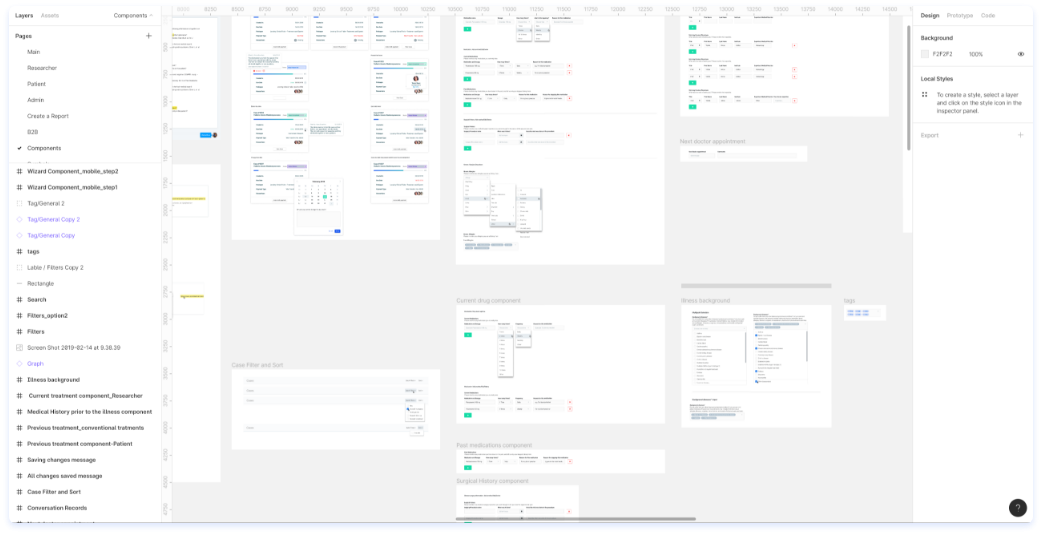
Now building the components, I started grouping the elements in a one master file to be used as a library. When the library was grew bigger, I separated each component into a different page, sorting them by categories: colors, buttons, fields, cards, tables, etc.
I conducted a team meeting to define the platform that will host our design system, and suggested several solutions. Eventually we decided to go with InVision because its ability to synchronized with Sketch (which was used by design) and because of the developer’s familiarity with it.
Mobile
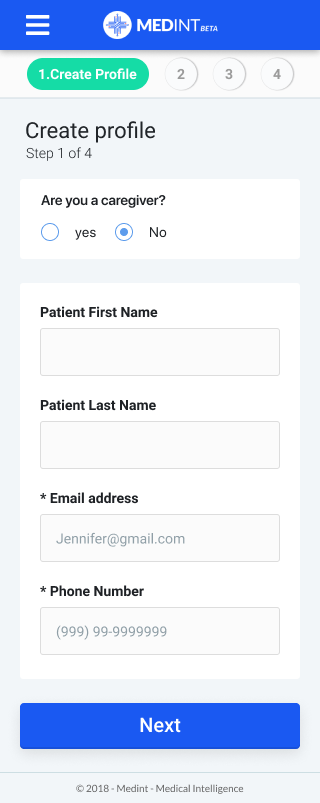
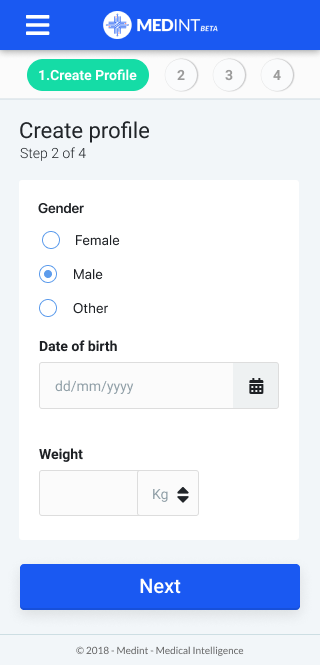
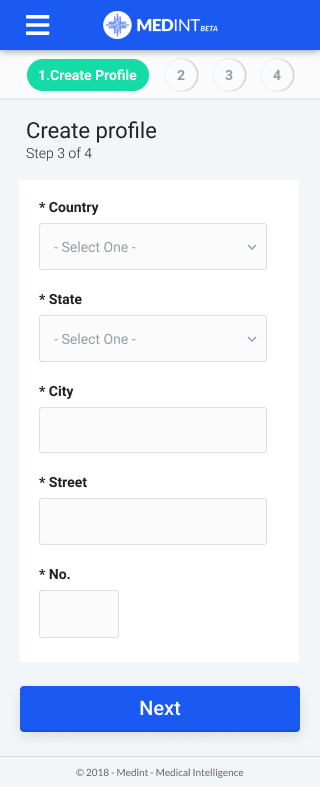
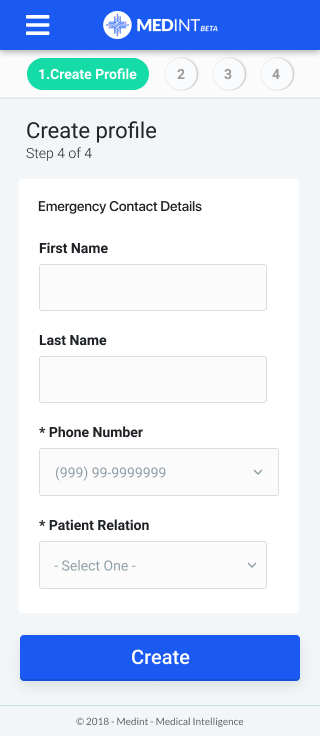
Having a design system in place, creating a mobile version for the platform was much easier. Being as flexible as I designed to be, I was able to use common components from the design system when working on the mobile version, and so it was easier for me to communicate the requested changes to features for the mobile version.
Project learnings
Design system is not a task
It is a way of life. When we as designers start working on a product, we need to start grooming a design system. This is an ongoing process, and not a one-time task. It will become a keystone which will evolve and guide the production forward. It has a great impact on the collaboration quality of the team.
Creating a good design system requires collaboration
Ultimately, the developers need to work with the design system. They must be familiar with its structure, the platform it was created on, and the rational which was used to document the features. For that, they MUST be part of the design system creation process and contribute their own point of view.
Introducing a design system at a late stage is a pain
Working on a design when a system is already developed, takes significantly more time, and it can become a huge task (for both the designers, and the developers who will have to fix inconsistencies). Sometimes it might even be easier to simply use this as an excuse to overhaul the design. But In either case, the only way that such a design to be adopted, is if the entire team would be willing to accept this change, and if there is a strong PM to enforce this change.